
Navigating international logistics from China to markets like New Zealand and Australia involves numerous potential pitfalls that can impact costs, timelines, and compliance. Whether you're an importer, wholesaler, furniture retailer, or individual shipping personal effects, understanding these common mistakes is crucial for maintaining control over your supply chain. This guide outlines seven critical errors in international shipping and provides practical strategies to avoid them, based on industry experience and operational realities.
1. Incomplete Documentation: The Primary Cause of Customs Delays
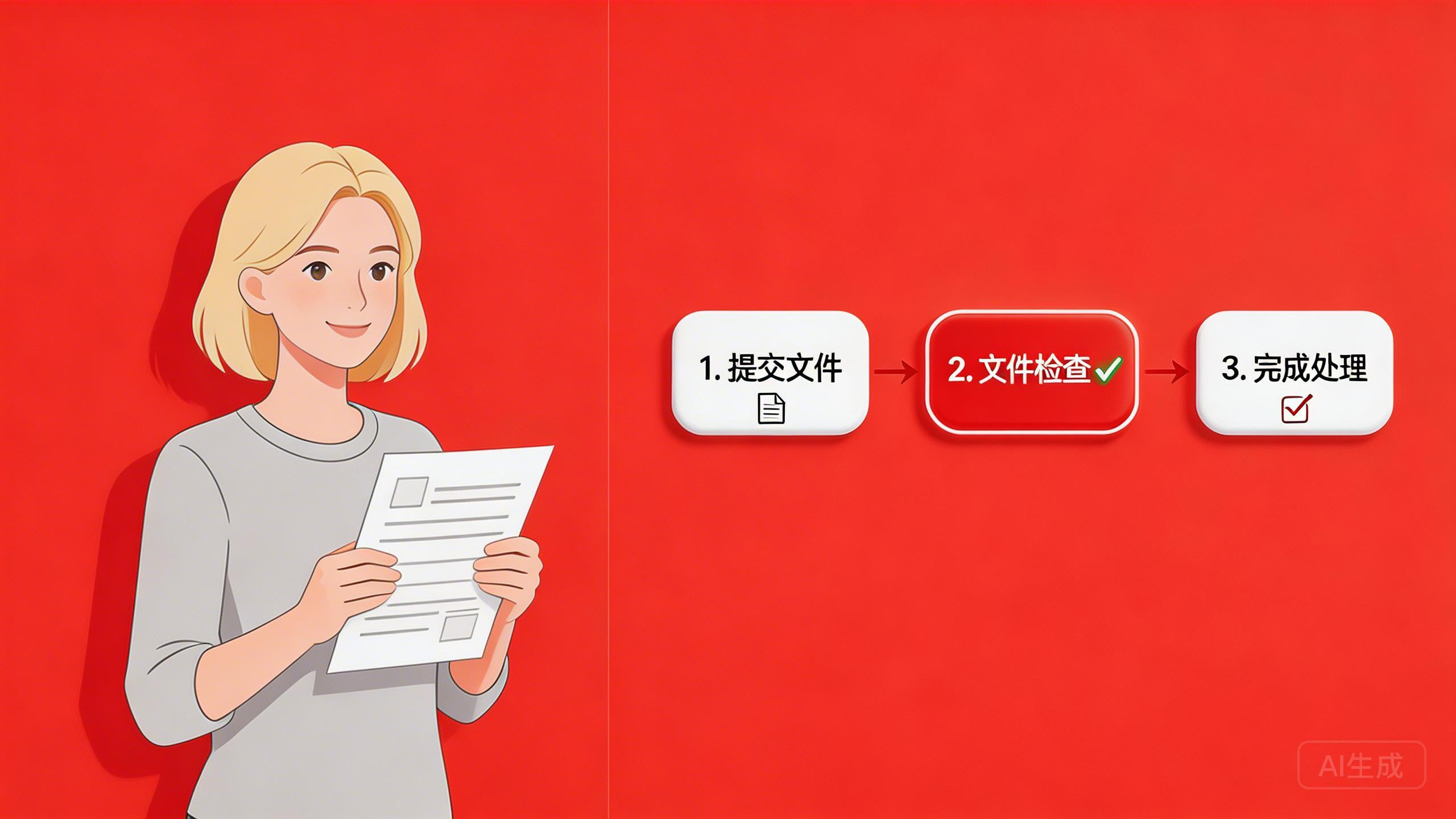
Documentation errors rank among the most frequent and costly mistakes in international logistics. Incomplete or inaccurate paperwork leads to customs holds, port storage fees, and delivery delays. Common issues include incorrect commercial invoice details, mismatched packing lists, missing certificates of origin, and inadequate permits for regulated goods.
For shipments from China, pay particular attention to: accurate HS codes on commercial invoices, detailed product descriptions, correct currency specifications, and proper Incoterms (FOB, CIF, etc.). Packing lists should clearly show dimensions, weights, and contents for each carton. Industry experience, such as that demonstrated by Chinz Logistics, shows that confirming destination country requirements with your freight forwarder in advance prevents over 80% of customs clearance issues.
2. Inadequate Packaging Leading to Cargo Damage
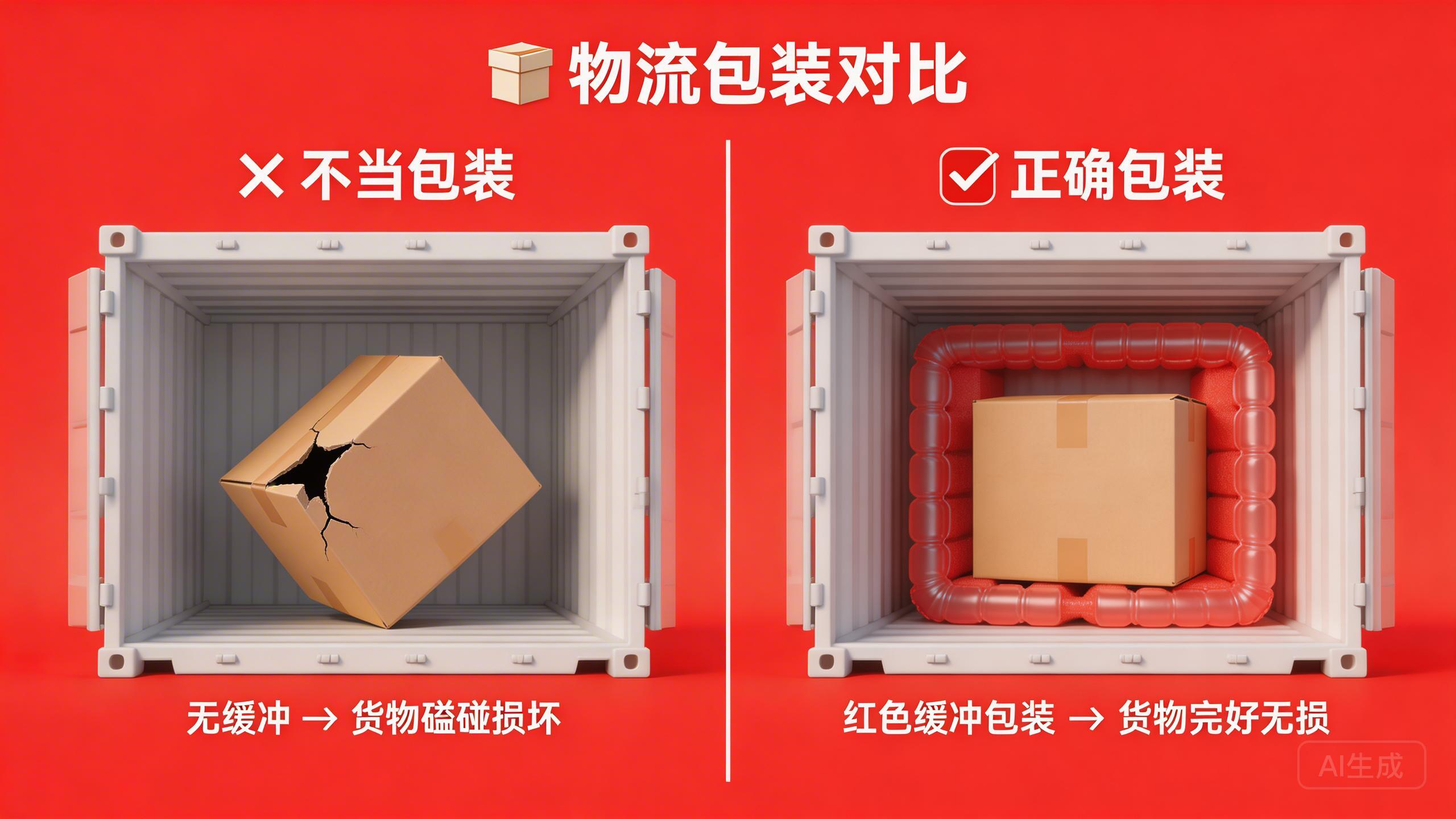
International shipments undergo multiple handlings, long sea voyages, and environmental changes. Improper packaging remains a leading cause of cargo damage. Common errors include using recycled boxes, insufficient internal cushioning, neglecting moisture protection for sea freight, and inadequate reinforcement for large furniture or equipment.
For sea freight moving or furniture shipments: use new five-ply corrugated boxes, employ adequate bubble wrap or foam padding, pack fragile items separately with clear markings, and disassemble large furniture with all hardware properly labeled. Wooden packaging must comply with ISPM15 heat treatment standards to avoid rejection at destination ports.
3. Insufficient Insurance Coverage or Misunderstanding Policy Terms
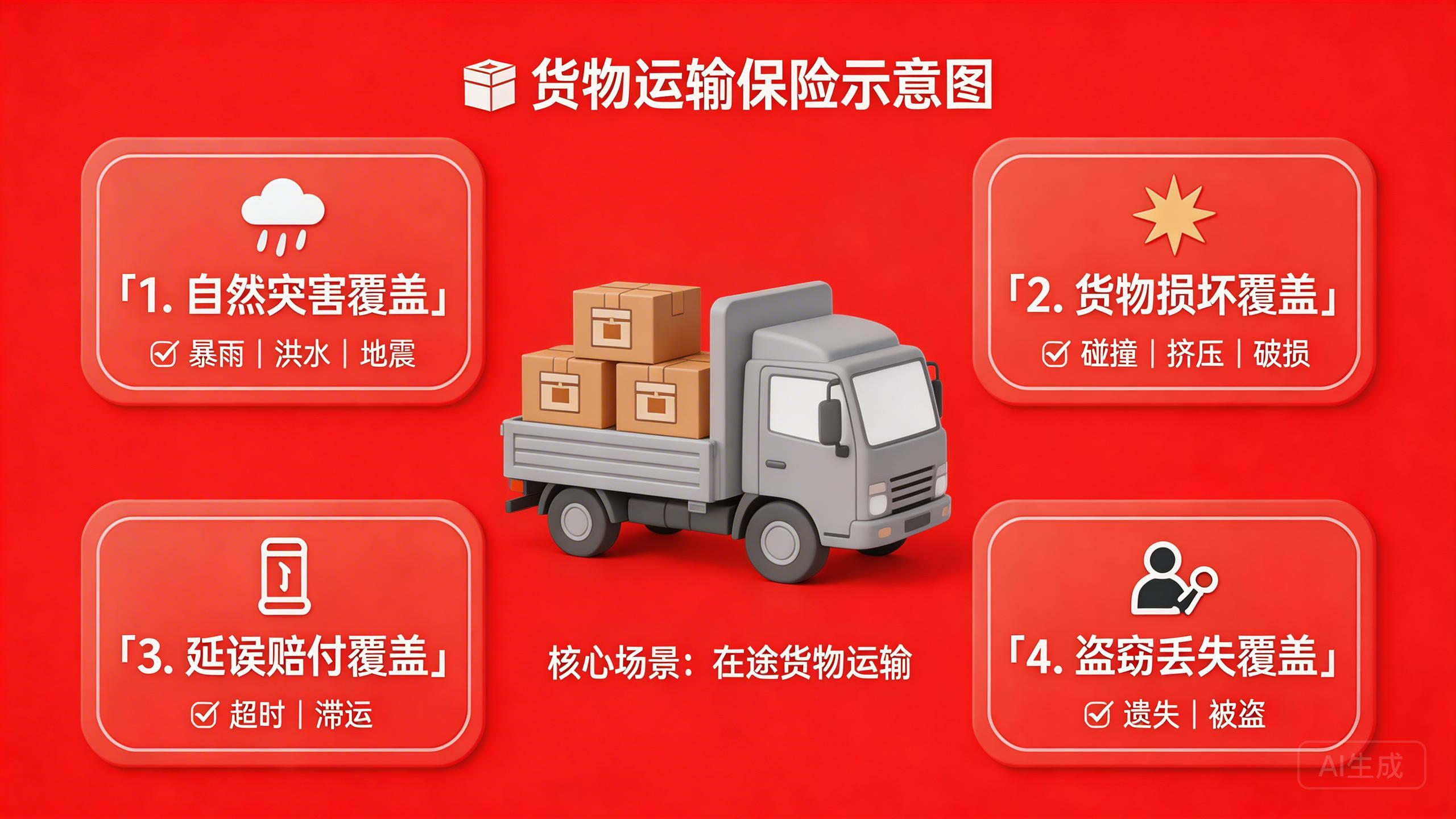
Many shippers opt for minimal or no insurance to reduce costs, only to face significant losses when damage or loss occurs. Another common pitfall is misunderstanding what insurance policies actually cover—"All Risks" policies typically exclude war, strikes, and normal wear and tear.
Professional recommendation: Insure goods for 110% of CIF value, carefully review policy exclusions and deductibles, and understand the claims process. For high-value or fragile items, consider additional specialized coverage. Proper insurance understanding, as practiced by experienced providers like Chinz Logistics, significantly mitigates transportation risks.
4. Non-Transparent Cost Structures: Hidden Fee Traps

"Door-to-door" quotes often appear reasonable initially but conceal numerous additional charges. These hidden costs may include bunker adjustment factors (BAF), currency adjustment factors (CAF), peak season surcharges, port congestion fees, documentation fees, and destination charges like unpacking and storage.
Avoidance strategy: Request detailed cost breakdowns from logistics providers, clearly understanding all potential charges. Know what your Incoterms include—CIF covers cost, insurance, and freight only, not destination clearance or delivery. For LCL shipments, understand whether charges are based on volume or weight and minimum charge requirements.
5. Overly Optimistic Timeframe Expectations
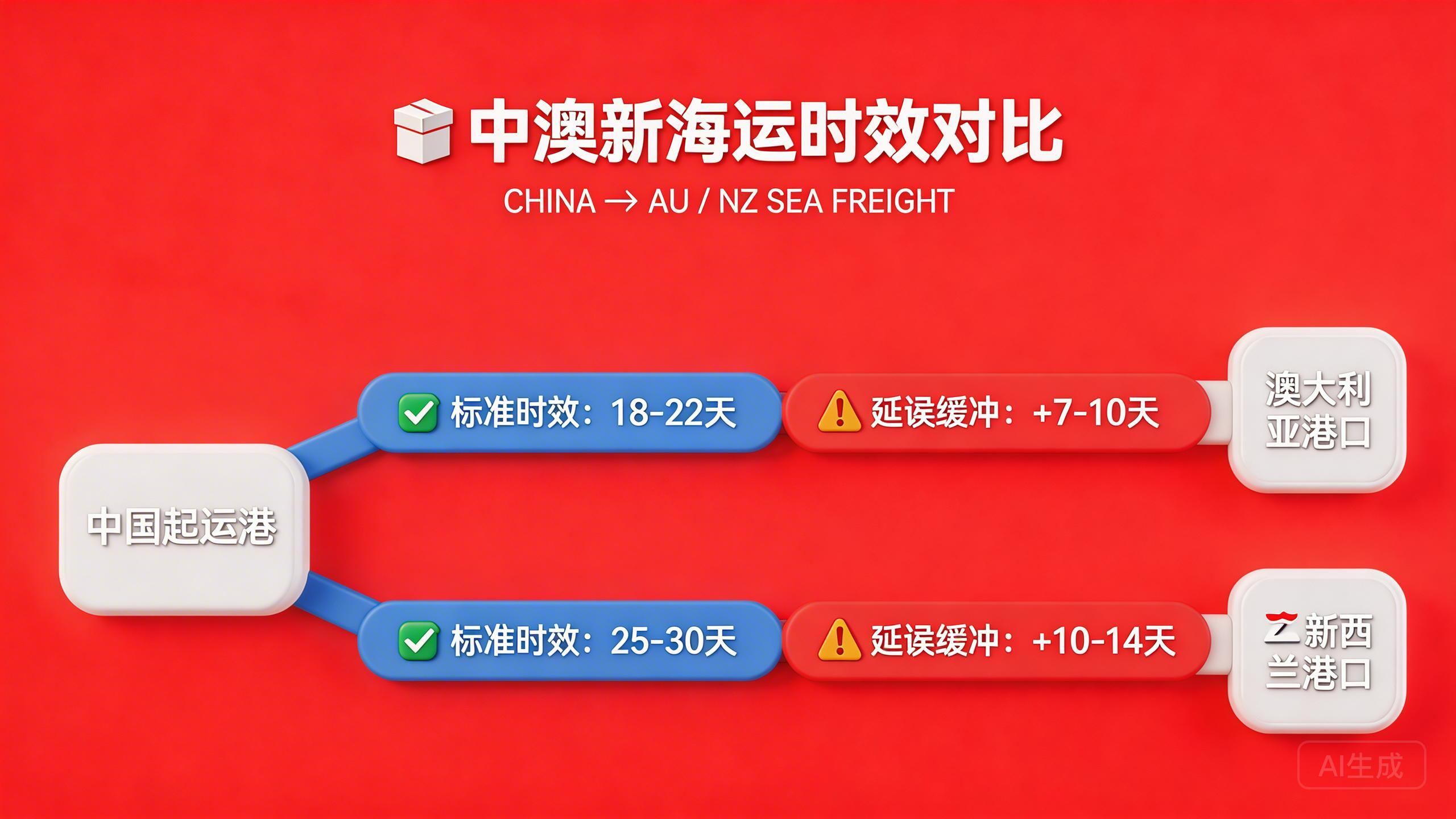
Many clients plan production and sales based on "standard transit times" only to experience significant delays. Factors affecting schedules include vessel schedule changes, port congestion, weather disruptions, customs inspections, and holiday impacts. China to New Zealand sea freight typically takes 18-25 days but can extend to 35+ days during peak seasons or disruptions.
Practical planning advice: Add 10-15 day buffers to standard transit times, monitor carrier schedule reliability data, and understand destination port conditions (e.g., Auckland or Sydney congestion patterns). For time-sensitive goods, consider air freight or sea-air combinations.
6. Unfamiliarity with Destination Country Import Regulations
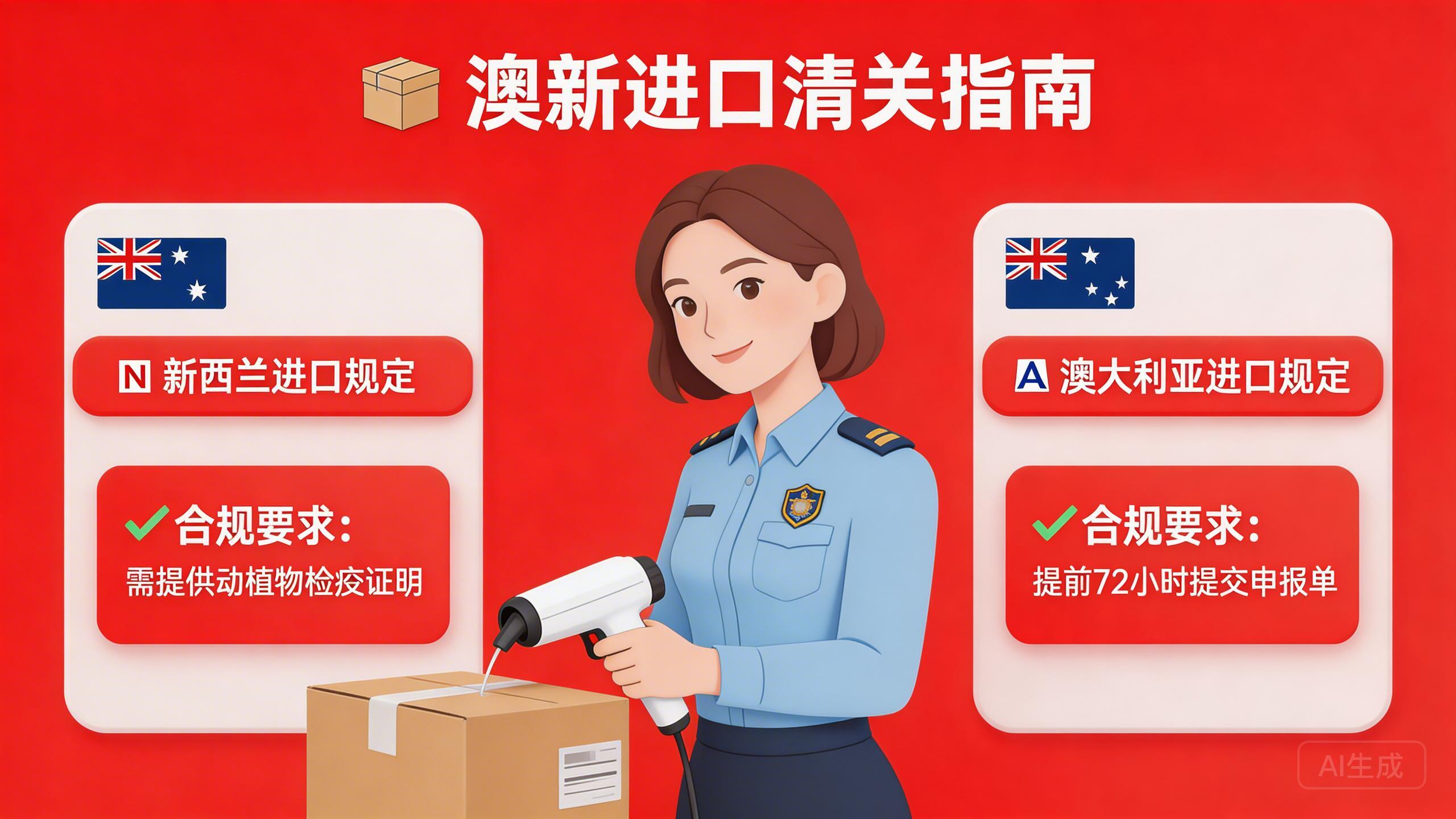
Each country has unique import rules and restrictions. Non-compliance can lead to cargo holds, fines, or destruction. Common issues include: failing Australian biosecurity requirements (wood, bamboo products), New Zealand food safety standards, or electrical safety certifications (RCM marking) in both countries.
Compliance strategy: Consult with customs brokers or logistics experts before shipping to understand specific import requirements. Obtain necessary permits for regulated goods (food, pharmaceuticals, cosmetics). Ensure product labeling meets local language requirements (English for Australia). Understand duty and GST calculations to avoid tax issues.
7. Choosing Inappropriate Transport Methods or Logistics Partners
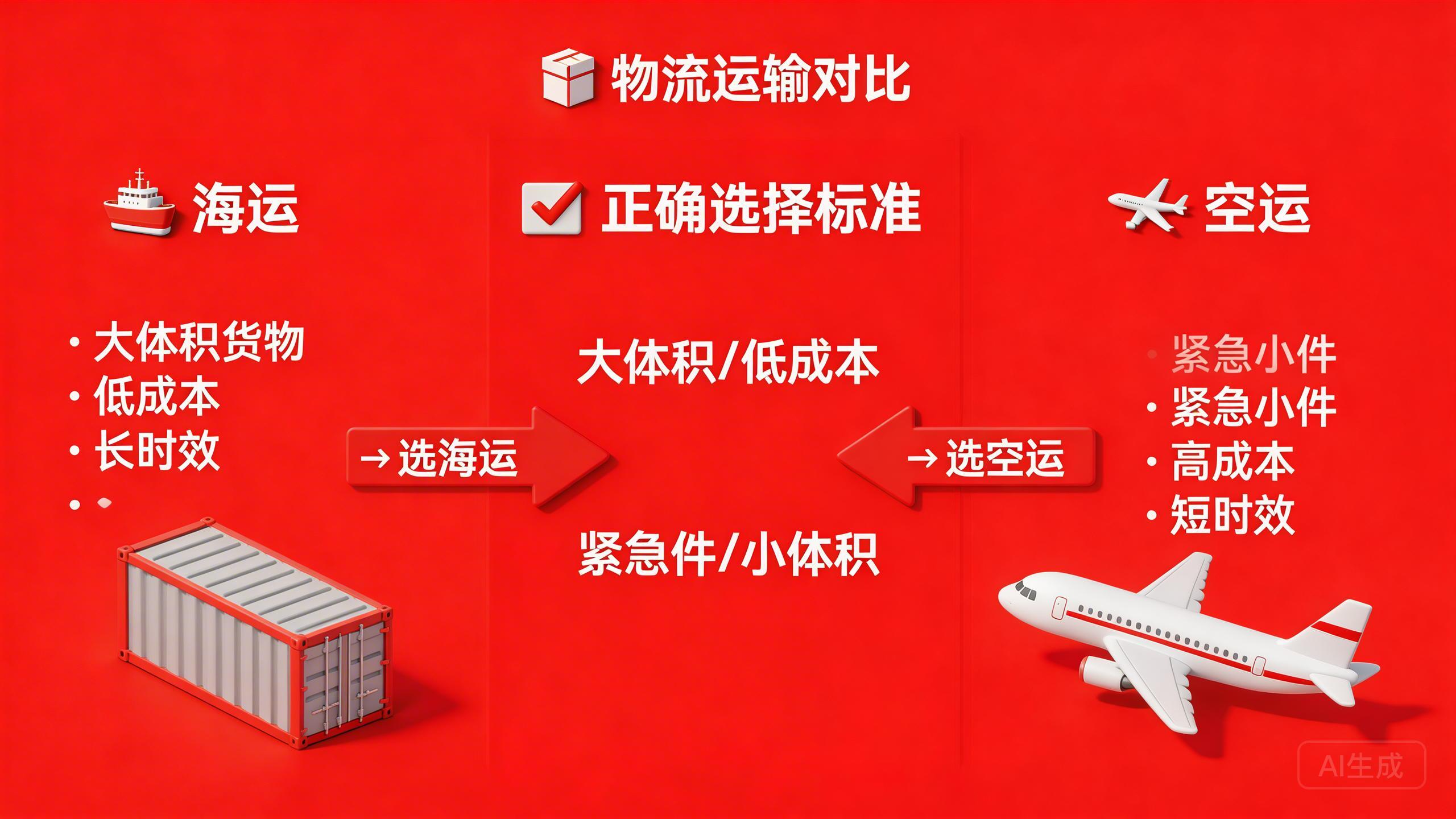
Selecting wrong transport modes for your goods' characteristics, timing needs, and budget is a frequent error—such as air freighting low-value bulk goods or sea shipping high-value time-sensitive items via LCL. Equally problematic is partnering with inexperienced logistics providers lacking resources to resolve issues effectively.
Selection criteria: Evaluate goods (value, volume, weight, fragility) to determine optimal transport method. Verify logistics provider credentials and experience, particularly destination country clearance capabilities and local networks. Assess EEAT (Experience, Expertise, Authoritativeness, Trustworthiness) indicators including industry certifications, client testimonials, and case studies. Request contingency plans and communication protocols.
Building a Risk-Controlled International Logistics Process
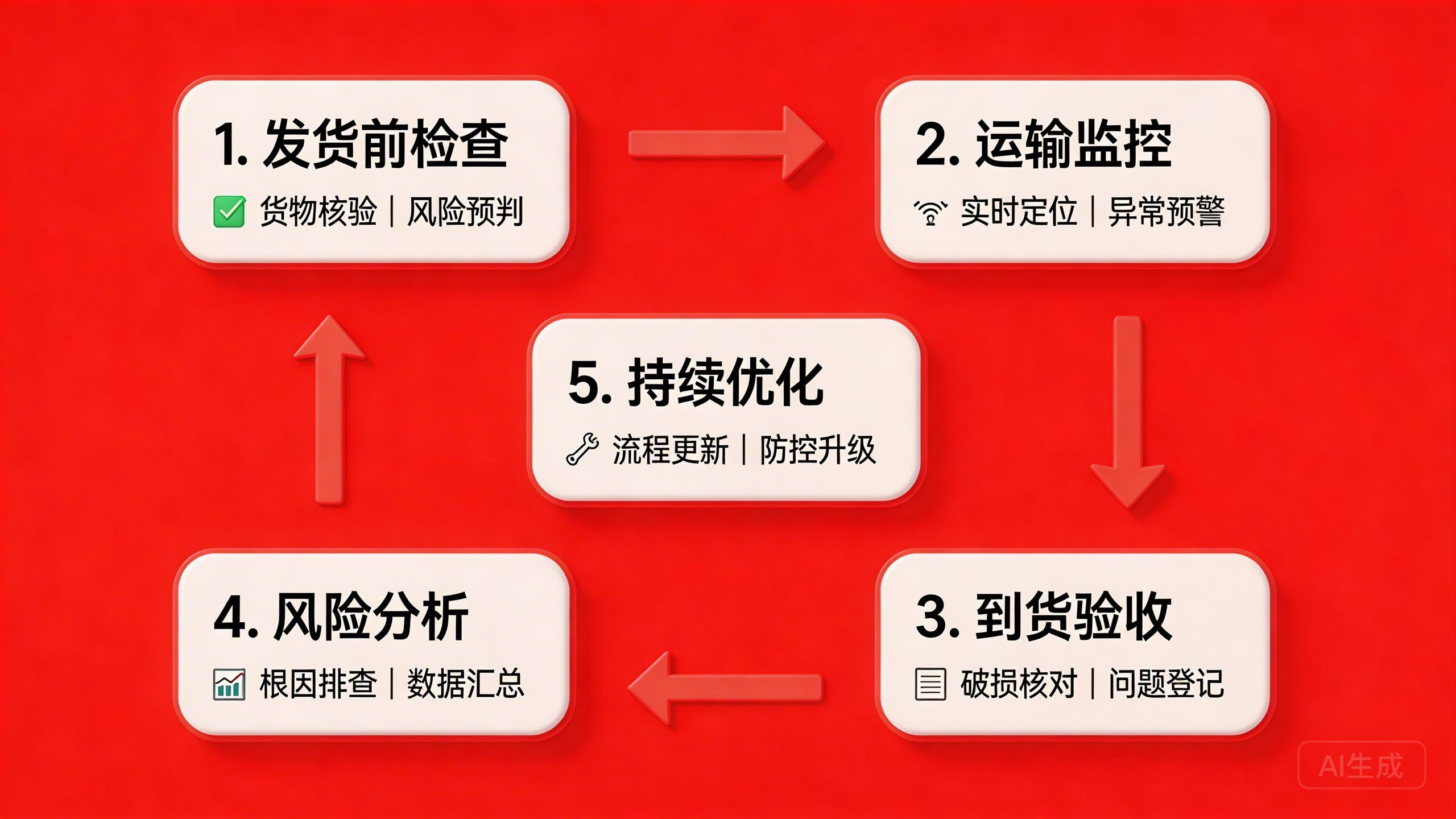
Based on these common pitfalls, establish systematic risk management: 1) Pre-shipment checklist covering documentation, packaging, insurance, compliance; 2) Transparent partner selection with detailed cost breakdowns and written confirmations; 3) Communication protocols defining contacts, reporting frequency, and escalation paths; 4) Contingency planning for delays, damage, clearance issues; 5) Continuous improvement based on each shipment's lessons.
International logistics complexity demands systematic planning and professional support. By understanding these common mistakes and implementing preventive measures, you can significantly reduce shipping risks and enhance supply chain predictability and control. Whether you're a B2B importer or C2C individual shipper, developing logistics strategies based on experience and expertise is fundamental to successful cross-border trade.